The Puppy Socialization Window Has a Closing Date
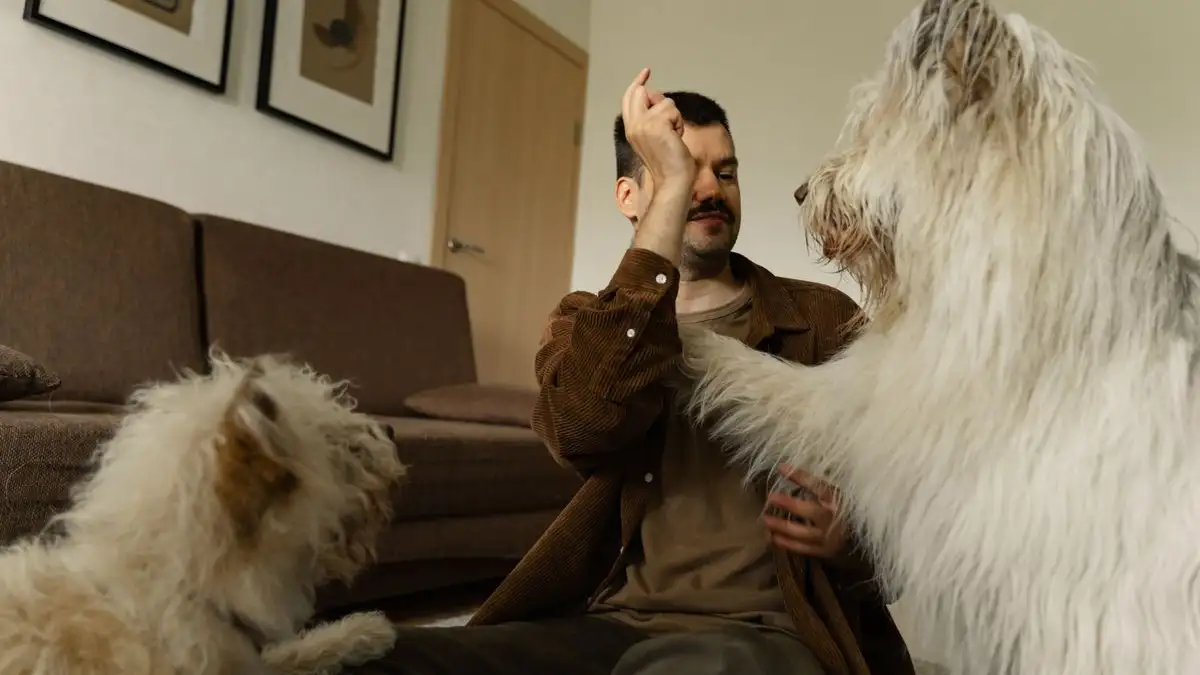
The socialization window closes around 14 to 16 weeks, right as vaccines finish. Here's the order to work through, and what's safe before the series ends.
Puppy, adult, and senior dog developmental and routine care guidance.
The socialization window closes around 14 to 16 weeks, right as vaccines finish. Here's the order to work through, and what's safe before the series ends.
Build an adult dog's day around four fixed transition points: leaving, midday, coming home, and last out. Meals, walks, and rest hold steady.
A week-by-week look at puppy development as a sequence of body systems and skills, with the ranges that matter and what to do when a milestone slips.
Build a senior dog daily rhythm that flexes: shorter, more frequent outings, scheduled rest, enrichment as a load, and potty breaks closer to home.
Twice a day suits most adult dogs, but size, activity, and your real schedule decide. A practical way to settle the once-versus-twice-a-day question.
If your senior dog paces all night, test the bed's support with your palm, check the entry height, and move the resting spot before anything else.
Socializing a puppy means planned exposure across categories, dosed by intensity and ended while the puppy is still comfortable. Here's the decision framework.
How to tire out a high-energy dog in an apartment with no yard: a daily rhythm of sniffing walks, problem-solving, short training, and a bad-weather backup.
A blind senior dog needs a house that stops moving; a deaf one needs light and vibration cues. Set up each one separately, before the startles start.
A senior dog often gains weight because the scoop never changed while the day got quieter. Learn how to check muscle and reset portions every few months.