The Same Bowl Every Day Adds Weight to a Slower Senior Dog
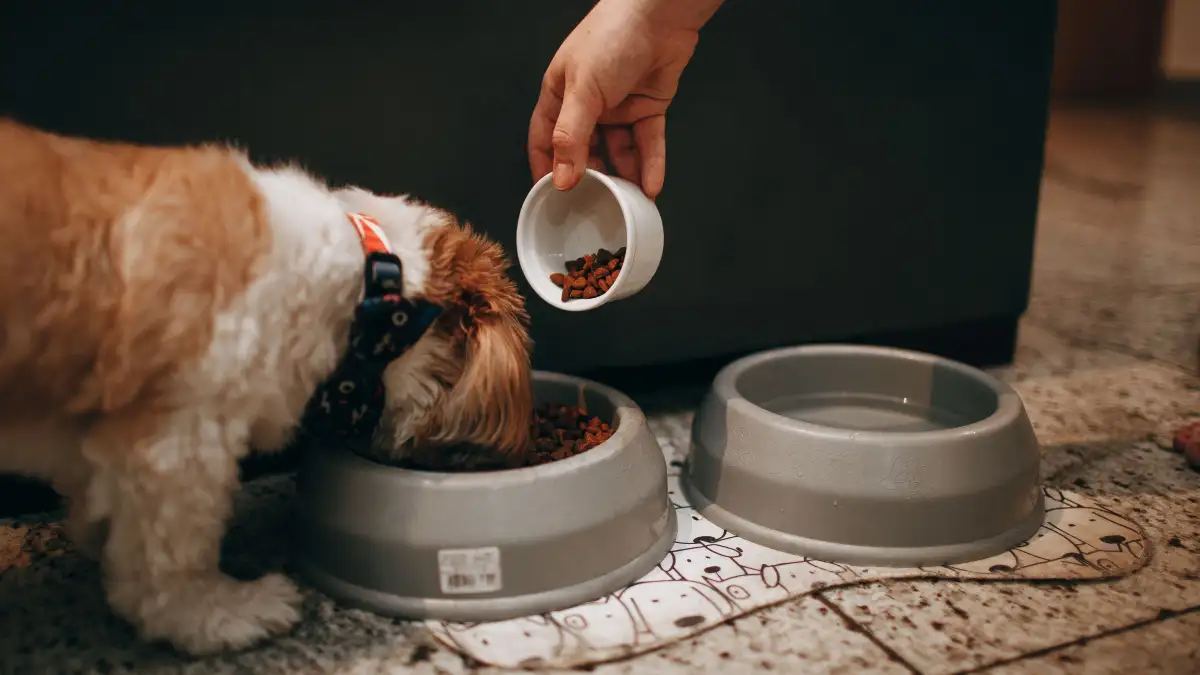
A senior dog often gains weight because the scoop never changed while the day got quieter. Learn how to check muscle and reset portions every few months.
Puppy, adult, and senior dog developmental and routine care guidance.
A senior dog often gains weight because the scoop never changed while the day got quieter. Learn how to check muscle and reset portions every few months.
The food and the scoop didn't change, but your dog's calorie needs did after neutering. Cut portions in 10% steps and check body condition monthly.
Keep an aging family dog steady in a busy home with kids: traction, ramps, kid-free rest spots, and gentle rules children can actually follow.
A tired dog can still bark at 2 a.m. Daytime naps, meal timing, and the last hour before bed decide whether the long sleep really lands at night.
An old dog barking at night is usually a pain or sensory issue, not a training problem. Learn what to fix at home, what to log, and what belongs at the vet.
Keeping a puppy home until shots are done costs more than it protects. Sort places by dog traffic and waste, then carry, wagon, or borrow a yard.
Puppy food stops being right when growth ends, not on a birthday. How to read the AAFCO statement, check body condition, and blend the switch over days.
Warm floors, good traction, shorter trips, and an indoor bathroom plan: practical winter changes that keep an arthritic senior dog moving and comfortable.
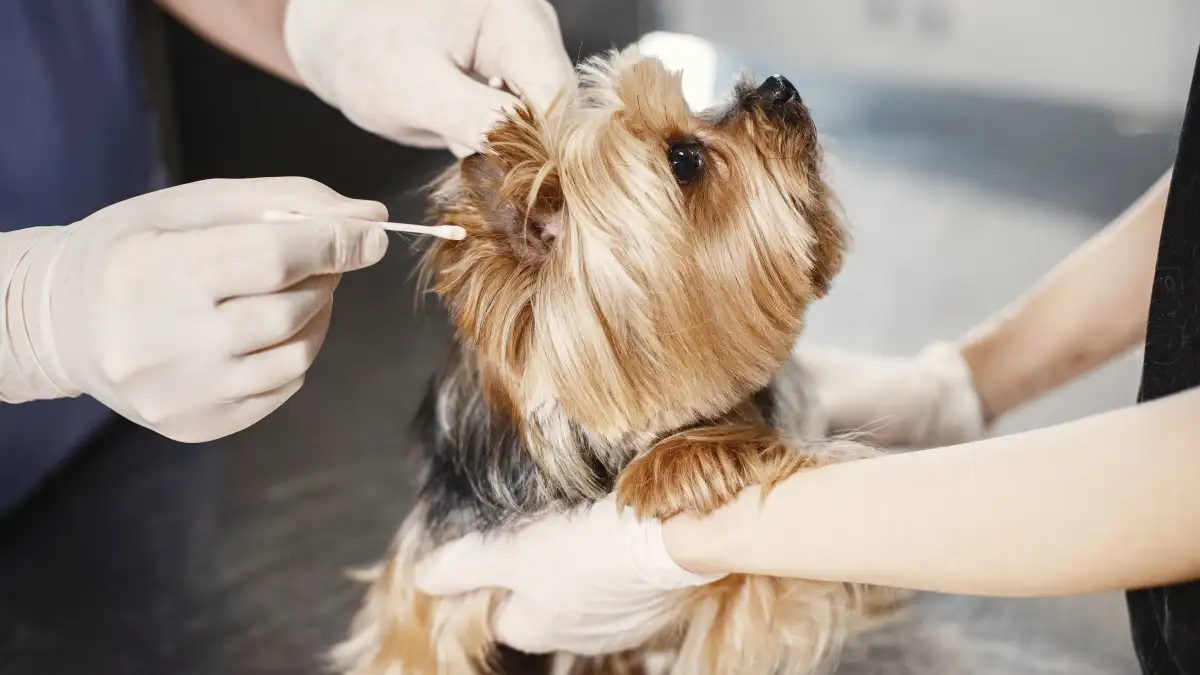
Clean a senior dog's ears at floor level, on a non-slip mat, in sessions that end on the dog's signal — not when the cotton ball comes back clean.