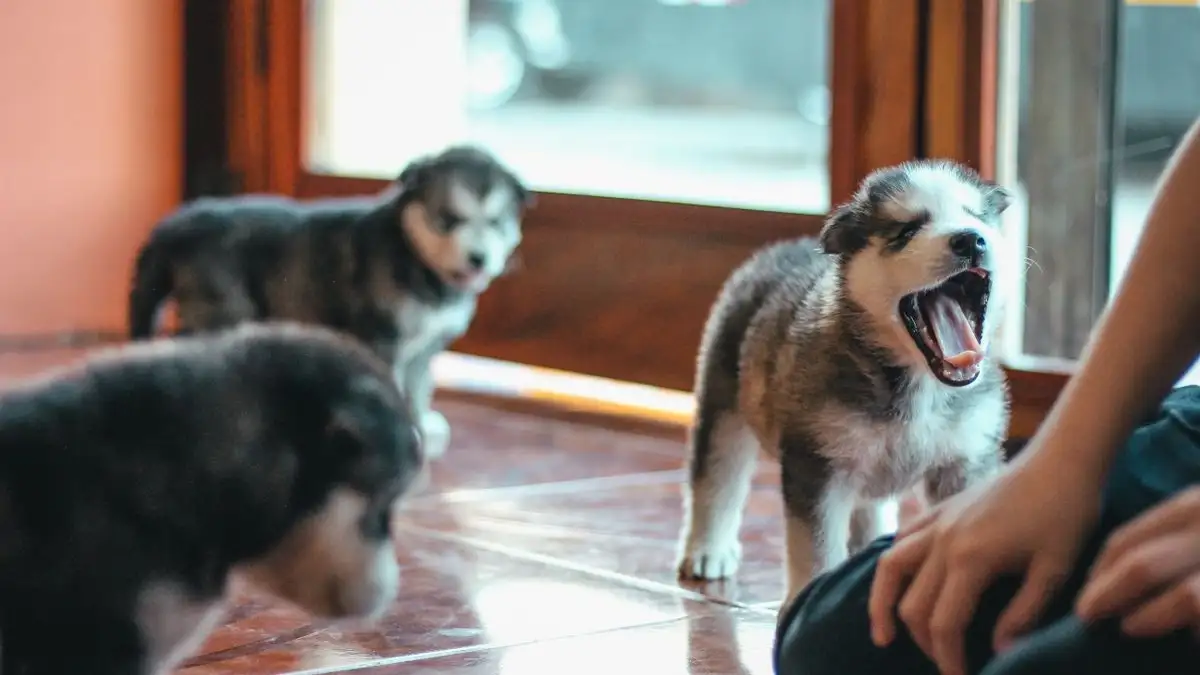
Your Puppy's Bladder Doesn't Follow a Calendar
A puppy's bladder and sphincter control develop with age. Here's how to set intervals, read regressions, and log accidents without blaming yourself.
A puppy's bladder and sphincter control develop with age. Here's how to set intervals, read regressions, and log accidents without blaming yourself.
Vets don't ask if a breed is good with kids. They ask about adult size, play style, food guarding, and the resident dog. Here's what those questions reveal.
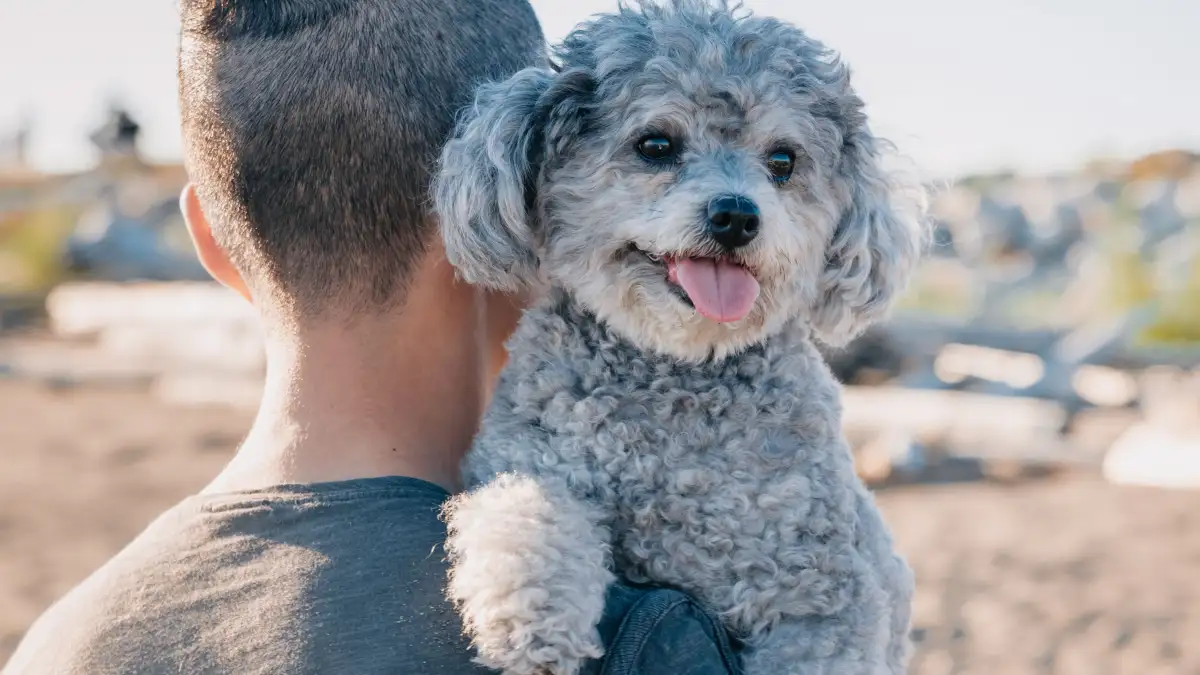
Before you meet a hypoallergenic dog, ask about adult coat, shedding, saliva, and skin history — a question framework for breeders and shelter staff.
The socialization window closes around 14 to 16 weeks, right as vaccines finish. Here's the order to work through, and what's safe before the series ends.
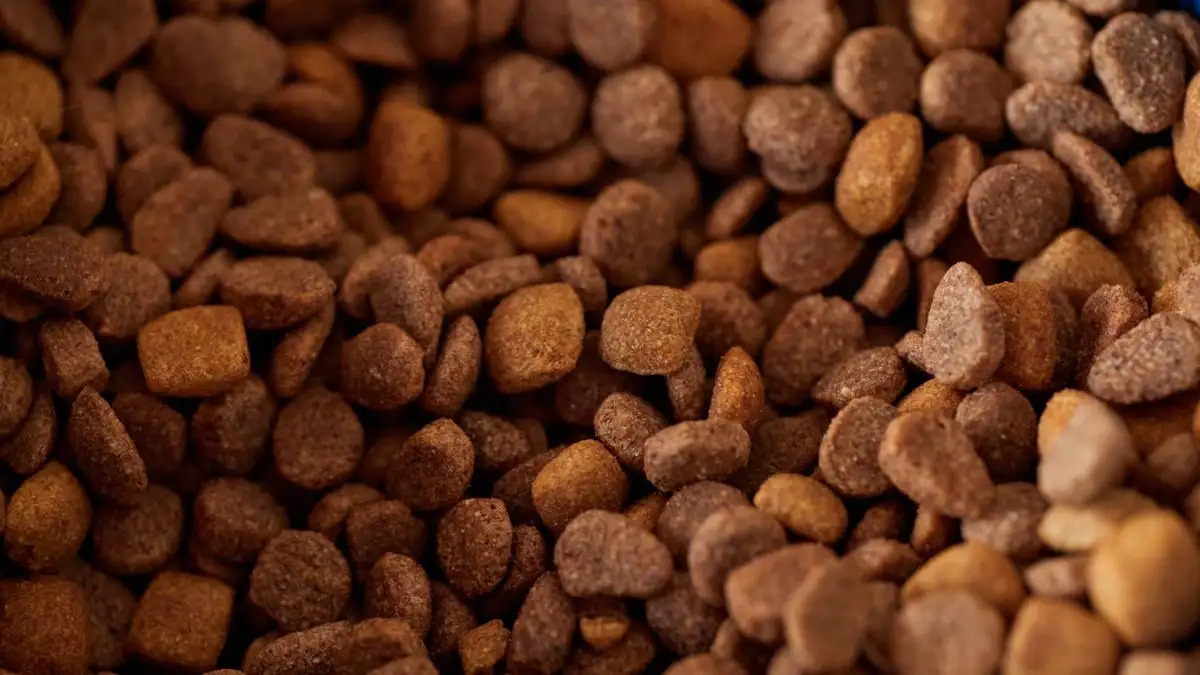
The bag chart is only a starting point. Learn to read the kcal ME statement, turn it into a daily amount, and use body condition as the real dial.
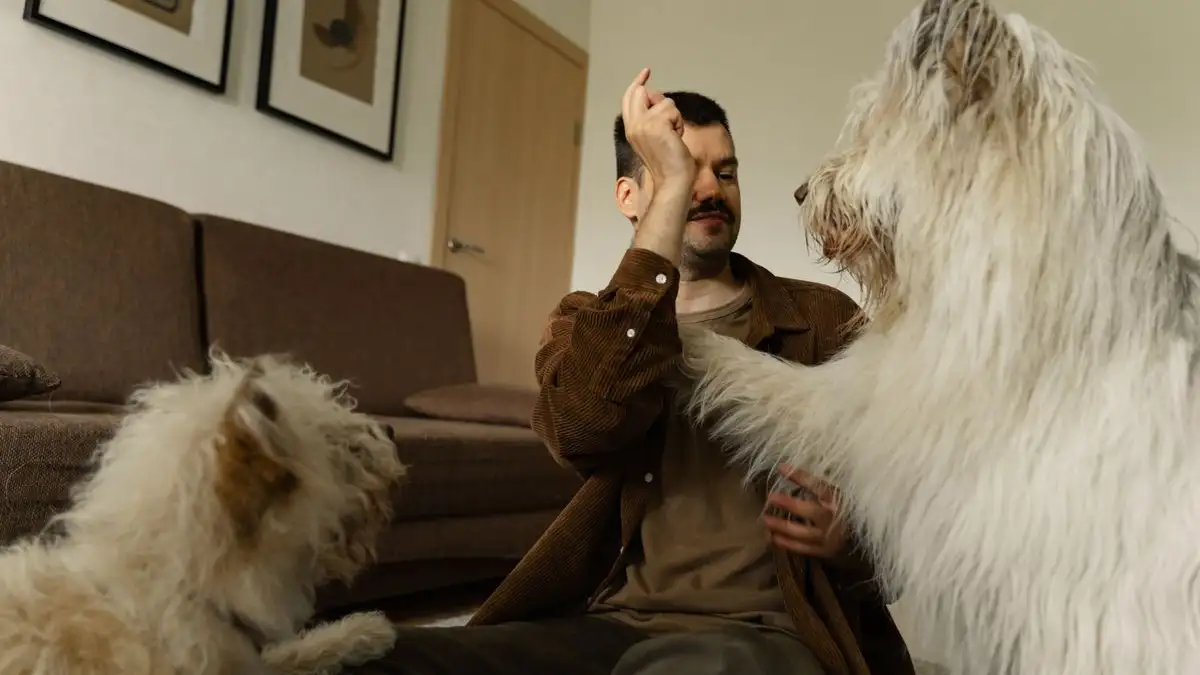
Build an adult dog's day around four fixed transition points: leaving, midday, coming home, and last out. Meals, walks, and rest hold steady.
A dog ear cleanser made for canine ears is the only liquid that belongs in the canal. Here's a label-reading filter and the list of things never to pour in.
Independence is a breed tendency you can screen for before you commit. Here is the departure and return routine that makes a long workday predictable.
A week-by-week look at puppy development as a sequence of body systems and skills, with the ranges that matter and what to do when a milestone slips.
Two dogs, two bags of food, one kitchen. Separate stations, timed meals, and switching one dog at a time so you always know which diet caused the change.
Build a senior dog daily rhythm that flexes: shorter, more frequent outings, scheduled rest, enrichment as a load, and potty breaks closer to home.