Is Your Dog’s Alone-Time Mess Panic or Just Boredom?
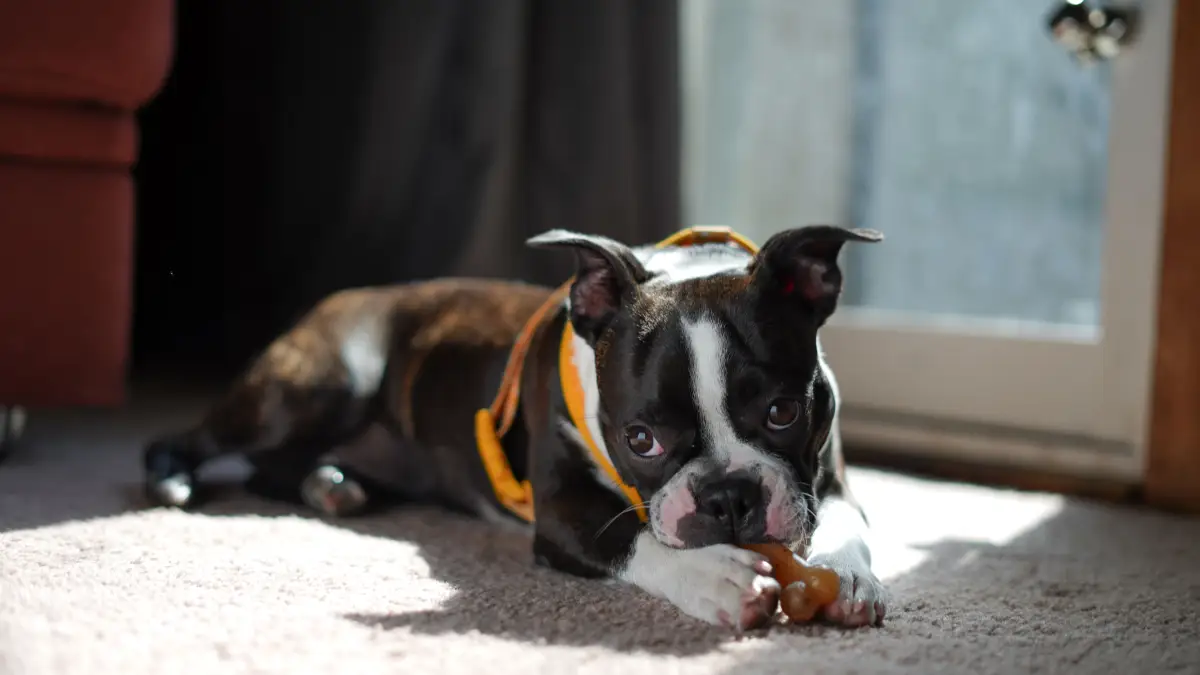
Separation panic and boredom separate on two details: when the behavior begins and what the dog's body does. Panic usually starts within minutes, near the door, with panting, pacing, drooling, or elimination. Boredom appears later, aimed at varied objects, without that immediate distress. One dog begins howling at the front door about thirty seconds after the owner locks it. The howl turns into pacing, then a wet spot on the mat. A second dog stays quiet, wanders for an hour, then chews the arm of a wooden chair while the owner is still home. The mess may look similar, but the timing and body language lead to different conclusions.
Alone-time mess is rarely a single problem. It divides into at least four patterns: exit panic, delayed destruction, barrier frustration, and house-training gaps that imitate anxiety. Read those patterns through timing, body language, and what the dog does while alone. No disorder should be assumed. The task is to match the pattern and choose the next check.
Which Alone-Time Pattern Are You Seeing?
- Howling, pacing, drooling, or accidents within the first five minutes, near the door. Go to When the Dog Starts Howling Before You Reach the Car.
- Quiet destruction after an hour, aimed at shoes, chair legs, or boxes. Go to When the Damage Appears After an Hour of Quiet.
- Scratching or lunging at a door or window that stops when no delivery, dog, or person passes outside. Go to When the Scratching Stops Once the Door Opens.
- Accidents inside whether home or away, or after a recent schedule change, without the full distress body. Go to When Accidents Happen But the Body Says Something Else.
When the Dog Starts Howling Before You Reach the Car
Separation distress, not necessarily a disorder
An immediate exit reaction most often points here. The dog starts within seconds to a few minutes of departure, usually at the same door the person used. Video or audio shows pacing, whining, howling, barking, drooling, panting, or scratching at the exit. A dog may urinate or defecate near the door. The timing matters more than the mess: if the signs begin before the person reaches the car and continue without settling, the signal points to distress about being alone, not to a dog that became bored later.
How to confirm: Record two departures. Watch only the first five minutes. Note whether the dog settles after that or stays in motion, panting, or vocalizing. A neighbor's report is the least reliable source because it lacks timing and body detail.
Exact fix steps: Use a low-key departure. Give the dog a frozen stuffed food toy about ten minutes before leaving, walk out without a long goodbye, and keep the exit routine identical every day. Move the dog away from the front door and close off sightlines to the exit. Watch the next recording.
Expected result: A mildly distressed dog may eat or lick for a few minutes and then settle. A dog that ignores the food, keeps pacing, drooling, or scratching at the door is showing stronger distress. That pattern should not be written off as simple boredom.
A new physical or pain trigger
This can begin suddenly when a dog has new physical discomfort. A dog that was fine alone for years may pant near the door because the pain is worse when the house is quiet.
How to confirm: Note any sudden change in an adult or senior dog, limping, stiffness, straining to urinate, or loss of appetite. A veterinary visit belongs before behavioral explanations.
Exact fix steps: Book a veterinary exam and bring a short video of the alone-time behavior. Keep the dog comfortable and on a non-slip surface until the exam.
Expected result: If pain or illness is present, the behavior should shift as treatment begins. If the vet finds nothing, the exit panic path becomes more likely.
When the Damage Appears After an Hour of Quiet
Delayed damage often looks messy but not panicked. The dog may sleep first, then wander and chew. The damage is spread across different objects, not always near the exit.
Understimulation and lack of a clear job
Boredom-related destruction often occurs without the immediate distress signals seen in exit panic. The dog is not drooling or fighting the door. The body stays loose while chewing. The targets vary: a shoe, a chair leg, a floor-level box. No single object is targeted with obsessive focus. Video shows the dog sniffing, pacing briefly, and then settling into chewing after a delay.
How to confirm: Record two weekdays of alone time. Watch whether the dog sleeps at first, then becomes restless, and note the time chewing starts. If the first five minutes are calm and destruction begins after an hour, boredom is more likely than separation panic.
Exact fix steps: Before leaving, give the dog a twenty-minute sniff walk or five minutes of fetch. Leave two safe food puzzles, a stuffed toy, and an appropriate chew. Put high-value household objects out of reach. Rotate the chews every few days.
Expected result: The dog should spend more time on food toys and less on furniture, but this works only if the dog has enough physical energy to settle. If the dog still paces and pants before chewing, the pattern is mixed.
Mild distress mixed with boredom
The same dog can show both under-enrichment and separation distress. One pattern does not exclude the other. A dog may settle for ten minutes, whine, chew a shoe, then pace again. That is not pure boredom and not pure panic.
How to confirm: Watch the full recording, not only the first minutes. Mark each time the dog whines, pants, returns to the door, or chews. A pattern that alternates between arousal and destruction suggests both factors.
Exact fix steps: Add the enrichment from the previous step, but keep departures boring and short. Do not add more puzzles if the dog ignores them while pacing. Instead, reduce the visual trigger of the door and use a white noise source.
Expected result: The chewing may shift to the food toy, but the whining may remain if the distress is strong. That is a signal to keep gathering video and seek qualified behavior support, not to buy more puzzles.
When the Scratching Stops Once the Door Opens
A rescue greyhound that had been crate-trained slept through a twenty-minute solo video, then scratched the front door when a delivery arrived. The trigger was the outside event, not the isolation. When the delivery passed, the dog returned to the bed. That sequence makes barrier frustration easier to spot.
Barrier frustration from outside triggers
Barrier frustration may produce door scratching or window lunging that stops when access is not the trigger. The dog is not upset about being alone. The dog is upset about a cat, a delivery person, or a passing dog on the other side of the glass. The behavior starts when the trigger appears and ends when it leaves, even if the owner is still gone.
How to confirm: Record during a period when outside activity is likely, such as mid-morning delivery hours. Watch whether the scratching matches a sound or sight outside. Compare it with a quiet hour. If the dog sleeps through the quiet stretch and only reacts to the delivery, the issue is the barrier, not the departure.
Exact fix steps: Block sightlines with window film or a closed curtain. Move the dog to an interior room during traffic-heavy hours. Play a steady background sound to soften outside noises. Give a stuffed toy in the interior room.
Expected result: The door scratching should drop sharply during outside events. If it continues with no trigger, the behavior may be separation distress or boredom instead.
When Accidents Happen But the Body Says Something Else
Indoor elimination can look like anxiety-related urination, especially when the dog is alone. But a dog that urinates when the owner is home as well, or after a recent schedule change, may not be panicking. This pattern calls for a veterinary check before behavioral conclusions.
Incomplete house-training or a schedule gap
Incomplete house-training may mimic anxiety-related elimination because the owner notices the puddle after returning. The difference is in the dog's body and timing. A dog with a schedule gap often eliminates without panting, pacing, or drooling, and may do it whether the person is home or not. The accident may appear near the usual potty route or after a longer-than-normal stretch.
How to confirm: Write down the exact times of meals, water, walks, and accidents for three days. Check whether the dog had a recent chance to go out and whether accidents also happen when the owner is present. A recent schedule change is a strong clue.
Exact fix steps: Reset the potty schedule with more frequent outdoor breaks, especially after waking, eating, and playing. Use a crate or pen when the dog cannot be watched. Clean the spot with an enzymatic cleaner. Before any of that, rule out medical causes with a veterinarian.
Expected result: Accidents should decrease within a few days of the tighter schedule. If they continue, the next cause becomes more likely.
A medical cause that looks behavioral
A urinary tract infection, bladder stone, or gastrointestinal flare can cause a house-trained dog to urinate or defecate indoors. The dog may strain, lick, or go small amounts often. The behavior can happen while the owner is at work or in the next room.
How to confirm: Look for small, frequent accidents, straining, blood in urine, or increased thirst. The vet may ask for a urine sample or do an exam. This belongs before any behavioral plan.
Exact fix steps: Make a veterinary appointment and bring the three-day log. Keep the dog's water available until the exam unless the vet says otherwise.
Expected result: If medical treatment resolves the accidents, the suspicion of anxiety was premature. If the vet clears the dog, return to the schedule gap section.
Three Checks to Apply When the Pattern Is Still Unclear
These checks pull from the patterns above. They help when the owner is not yet sure which column the dog falls into. They waste time when one pattern is already obvious.
Review two weekdays of footage
Before adding more puzzles or changing the schedule, review two weekdays of camera footage to see whether the dog settles within five minutes or remains panting for the full absence. This is more reliable than a neighbor's report because it captures the first moments and the body. Watch the departure, the first five minutes, and the return.
Reset the departure routine
Keep the first and last minute around leaving unremarkable. No dramatic goodbyes and no excited greetings. Put a frozen food toy down at least ten minutes before leaving, not as the door closes. This reduces the emotional spike at the exit.
A frozen stuffed toy should be introduced before the good-bye sequence, not after the door is already open. That order matters more than the toy itself.
Reset the environment
Block the front window or door view, close off rooms with high-value chew targets, and set up one quiet spot with a non-slip bed. For elimination patterns, take the dog out one extra time before leaving, even if the schedule says it is not time.
These checks help when the pattern is recent, mixed, or inconsistent. They waste time when the dog is already showing full-body panic every departure, or when accidents come with straining, lethargy, or blood in urine. In those cases, the next step is a vet or a behavior professional, not another reset.
Keeping the Next Alone-Time Mess from Starting
- Make solo time predictable before the problem starts. Give the dog a food toy or chew on the same schedule each day, not only when the owner remembers.
- Log the first five minutes once a week. A quick recording check shows whether the dog is settling faster or new distress is starting.
- Keep the potty routine fixed on non-work days too. House-training regressions often follow two days of a loose weekend schedule.
- Block the most common outside triggers year-round, not just after a scratching episode.
- When a dog shows both whining and chewing, treat both sides: increase exercise and reduce exit drama, but do not expect a food toy to erase full-body panic.
What to Gather Before Calling the Veterinarian
After two weeks of signal reading, if the pattern has not shifted, gather evidence before making any call. Save two or three untouched clips from different days: one where the dog settles, one where the dog stays escalated, and one that starts at departure. Write down the exact time each episode begins, what the dog's body does, and where the mess appears. Include whether the dog is urinating, drooling, or refusing food. Take that log to a veterinarian first to rule out a physical cause. If the vet clears the dog and the footage still shows exit panic, a qualified behavior consultant or veterinary behaviorist is the next place to use that same evidence.
The educational content on this page is not a substitute for veterinary care. Talk with your veterinarian before making changes to your dog's routine.

I've shared my home with dogs for most of my adult life, including a leash-reactive terrier mix and a senior Lab who taught me to read small signals. I write about the routines that hold up: house-training and crate schedules, loose-leash practice, safe feeding, everyday grooming, and preventive care that starts with observation. I also think a lot about the match between a dog and a household before the dog ever comes home. My perspective comes from making mistakes, adapting to each dog, and learning to work with the dog in front of me.